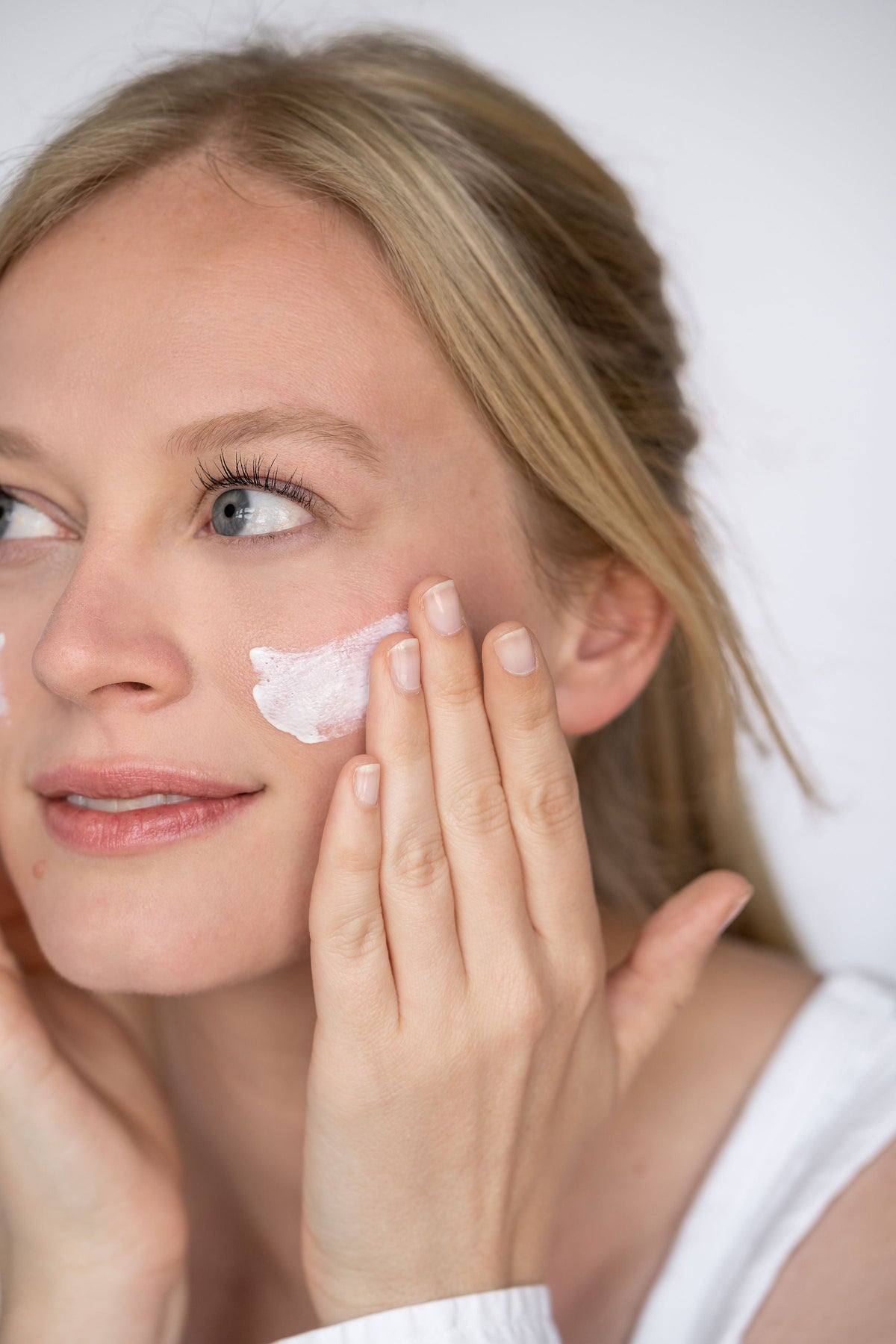
Summer Was Fun. Your Skin Might Not Agree.
Long days at the beach, afternoons by the pool, weekends at the Outer Banks, and family vacations are some of the best parts of summer in North Carolina. But by late August, many people start noticing an unwelcome souvenir: darker sunspots, returning melasma, uneven skin tone, and skin that simply looks dull and tired.
Even if you've been diligent about sunscreen, months of increased UV exposure can take a toll. The good news? Fall is the perfect time to assess the damage and begin repairing your skin.
Here's how we recommend resetting your skin after summer.
Step 1: Schedule Your Post-Summer Skin Check
Think of your skin the same way you would your annual physical—it deserves regular checkups, especially after months of increased sun exposure.
A comprehensive skin evaluation, booked as a CLARA Consult, allows us to:
- Check for any suspicious or changing moles
- Assess sun damage and precancerous spots
- Evaluate melasma, freckles, and age spots
- Create a personalized treatment plan based on your skin goals
Even if everything appears normal, a yearly skin exam is one of the most important things you can do for your long-term skin health.
If your concern is cosmetic, this is also an excellent opportunity to discuss pigmentation, fine lines, texture changes, and preventative treatments before the busy holiday season.
Step 2: Fade Summer Pigmentation with Medical-Grade Skincare
If your melasma or brown spots seem darker after summer, don't panic. This is incredibly common.
UV exposure stimulates melanocytes—the cells responsible for producing pigment. Even small amounts of sun exposure can reactivate melasma or make existing sunspots more noticeable.
As temperatures cool and UV intensity decreases, we often recommend incorporating targeted brightening ingredients into your skincare routine.
Tranexamic Acid
One of our favorite ingredients for treating stubborn pigmentation is tranexamic acid.
Tranexamic acid helps calm the pathways that trigger excess pigment production, making it particularly effective for:
- Melasma
- Post-inflammatory hyperpigmentation
- Uneven skin tone
- Sun-induced discoloration
Unlike harsh bleaching agents, tranexamic acid is generally well tolerated and can be safely combined with other brightening treatments. At CLARA, we like to incorporate tranexamic acid into a Microneedling treatment, to allow better penetration of this ingredient into the deeper layers of the skin.
Retinoids
Fall is also an excellent time to restart—or increase—the use of prescription retinoids or medical-grade retinol products.
Retinoids help:
- Speed cell turnover
- Fade pigmentation over time
- Improve skin texture
- Stimulate collagen production
- Reduce the appearance of fine lines
Because retinoids can increase sun sensitivity, many patients find them easier to use consistently once the intense summer sun has passed.
At CLARA Dermatology, we'll help determine the right strength and schedule for your skin. We love our Nightly Habit, powerful enough to give you results, but gentle enough for most people to tolerate.
Step 3: Get Ready for Laser Season
If you've been thinking about treating sun damage, fall is the season we've been waiting for.
Many laser treatments work best once your summer tan has completely faded. Treating untanned skin allows us to safely target unwanted pigment while reducing the risk of complications.
Broadband Light and IPL
Broadband light and IPL use light energy to target excess pigment caused by years of sun exposure.
These treatments are excellent for:
- Brown spots
- Sun damage
- Freckles
- Redness
- Uneven skin tone
Many patients notice brighter, clearer skin after just a few treatments. Book your Laser Photofacial treatment today!
CO₂ Laser Resurfacing
For patients looking for more dramatic rejuvenation, fractional CO₂ laser resurfacing can improve:
- Fine lines and wrinkles
- Acne scars
- Rough skin texture
- Sun damage
- Overall skin quality
Because this treatment requires downtime and strict sun avoidance during healing, cooler weather makes fall and winter the ideal seasons for treatment. Try a lighter treatment, called a CoolPeel, or go all in with deeper CO2 Laser Resurfacing.
Don't Forget Daily Sun Protection
Repairing sun damage is only half the battle.
The best way to maintain your results is with consistent daily sun protection—even after summer ends.
Remember:
- Apply a broad-spectrum SPF 30 or higher every morning.
- Reapply every two hours when outdoors.
- Wear hats and UPF clothing during prolonged sun exposure.
- Continue using antioxidant products such as vitamin C to help defend against environmental damage.
Sun protection isn't just for beach days—UV rays are present year-round. Our Sun Shield Tinted and Untinted are formulated to be worn daily.
Start Fresh This Fall
If summer left your skin looking dull, uneven, or more pigmented than you'd like, now is the perfect time to take action.
Whether you're interested in improving melasma, fading sunspots, scheduling your annual skin exam, or exploring laser treatments, our team at Clara Dermatology can create a customized plan to help your skin recover after summer.
Fall is the season of renewal—and your skin deserves one too.
Ready to repair summer sun damage? Schedule a consultation with CLARA Dermatology today to create a personalized treatment plan and get your skin glowing again before the holidays.