Here at CLARA Dermatology, we see patients every day who want to address the signs of aging and sun damage. Our patients are looking for a treatment that is effective, non-invasive, and doesn't require weeks of downtime. That's why we are so excited to talk about one of our most popular and versatile procedures: the Laser Photofacial.
In this blog post, we’ll dive into everything you need to know about the Laser Photofacial, including what it is, who it's for, and what kind of results you can expect.
What is a Photofacial?
A Laser Photofacial uses broad band light, a next-generation form of IPL (Intense Pulsed Light) technology.
Instead of a true laser that uses a single wavelength of light by definition, broad band light delivers a broad spectrum of light energy. This allows us to use different filters to target multiple skin concerns at different depths in a single session.
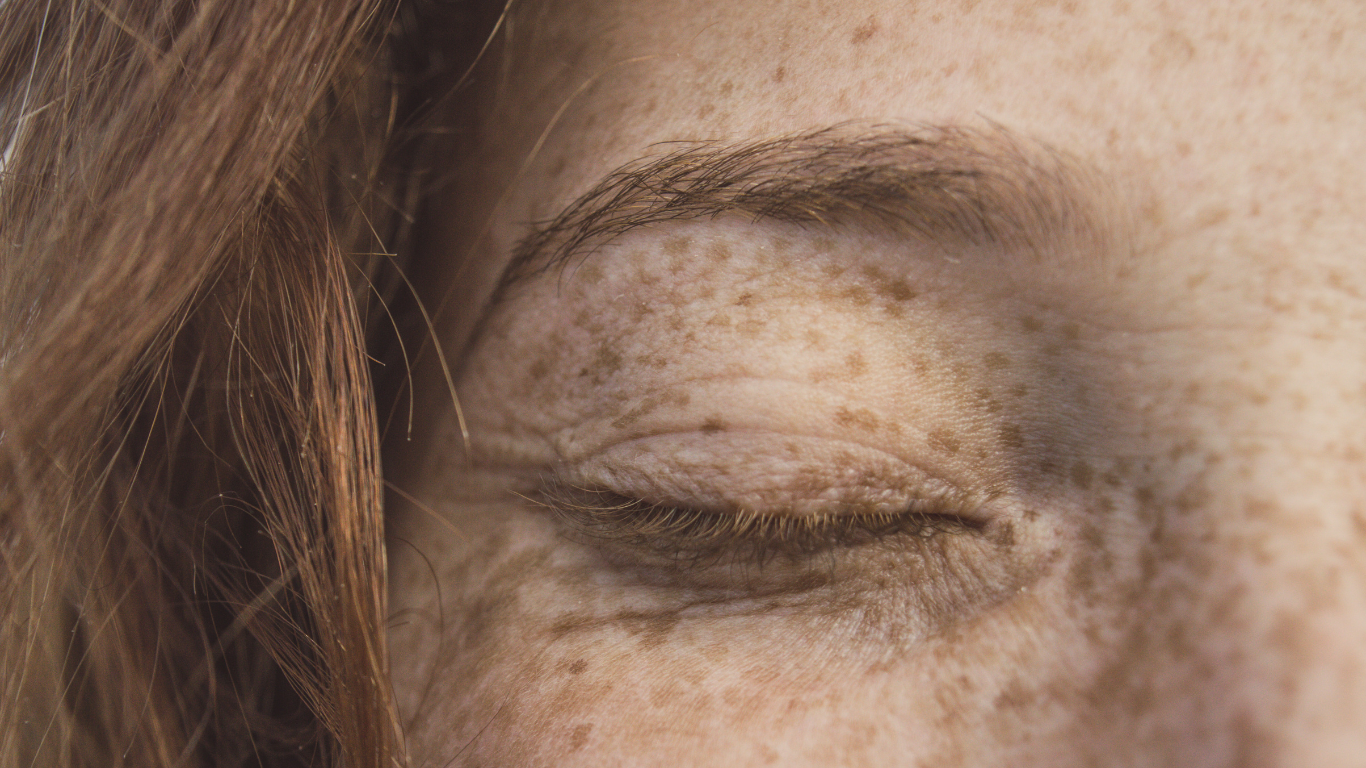
The energy from the Photofacial device is absorbed by specific targets in your skin, such as melanin (which causes brown spots) and hemoglobin (which causes redness from broken capillaries). The light heats these targets, causing them to break down. Your body then naturally eliminates the damaged cells, leaving you with clearer, more even-toned skin.
Furthermore, studies from Stanford University have shown that regular Photofacial treatments can actually change the gene expression of your skin cells, making them function like younger skin. This means the treatment isn't just correcting existing damage; it's also a powerful preventive anti-aging tool.
What Can the Laser Photofacial Treat?
One of the reasons the Laser Photofacial is so popular is its incredible versatility. We regularly use it to treat:
Sun damage and age spots: Fades unwanted pigment on the face, neck, chest, and hands.
Rosacea and diffuse redness: Reduces overall flushing and the appearance of visible blood vessels.
Broken capillaries (spider veins): Effectively treats small, visible veins on the face and body.
Acne: The blue light wavelength kills the bacteria that causes acne and reduces inflammation.
Skin texture and tone: Stimulates collagen production, leading to smoother, firmer skin.
Who is a Good Candidate for a Laser Photofacial?
The Laser Photofacial is a safe and effective treatment for many of our patients, but it's not right for everyone.
The best candidates are:
People with lighter to medium skin tones. Because this laser targets pigment, it is most effective and safest when there is a contrast between your skin tone and the spots being treated. It is generally not recommended for people with darker skin tones, as there is a risk of hyperpigmentation (darkening of the skin) or hypopigmentation (lightening of the skin).
Patients looking to treat redness or brown spots. If your primary concern is even out your skin tone, a Photofacial is an excellent choice.
Individuals seeking preventive anti-aging. If you are in your 20s or 30s and want to delay the signs of aging, a Photofacial is a great proactive measure.
You may not be a candidate if you have:
A recent tan (either from the sun or a self-tanner).
An active skin infection in the treatment area.
Certain medical conditions or take medications that make your skin sensitive to light.
The first step is always a consultation. We will thoroughly assess your skin type, medical history, and goals to determine if a Laser Photofacial is the best path forward for you.
What to Expect During the Treatment
A Photofacial session is relatively quick and comfortable. The appointment typically lasts about 30 to 45 minutes, depending on the size of the area being treated.
Here’s a breakdown of what happens:
Preparation: Your skin will be cleansed, and a cool gel will be applied. Your eyes will be protected with safety shields.
The Treatment: We will glide the laser handpiece over the target area. With each pulse of light, you will feel a warm sensation. Most patients describe it as feeling like a quick "rubber band snap."
Cooling: The laser device has a built-in sapphire cooling tip that keeps the skin comfortable throughout the treatment. You will also hold a device that blows cool air over the treatment area while we perform the treatment.
After the procedure, we will apply a soothing moisturizer and a broad-spectrum sunscreen. You can reapply makeup and go back to your normal activities immediately.
Downtime and Results
Is there downtime?
There is virtually zero downtime with the Photofacial. Your skin may look slightly red or flushed for a few hours, similar to a mild sunburn, but this quickly subsides.
When will I see results?
If we are treating brown spots, they will actually darken in the days following the treatment. This is a sign it's working! In about 1-2 weeks on the face (and slightly longer on the body), these spots will naturally slough off, revealing clear, pristine skin underneath. It's critical not to pick or scrub at these spots.
Results for redness and rosacea develop more gradually, as the body absorbs the targeted blood vessels.
How Many Treatments Will I Need?
While you will see improvement after just one session, a series of treatments is typically recommended for optimal corrective results. Most of our patients start with 2 to 3 treatments spaced about 4 weeks apart.
After your initial series, we recommend maintenance treatments once or twice a year to maintain your results and continue the Photofacial's anti-aging, gene-expression benefits.
Schedule Your Consultation Today
Are you ready to reveal clearer, brighter, more youthful-looking skin? A Laser Photofacial could be the solution you’ve been searching for.
Contact our office today to schedule your consultation. We’ll create a personalized treatment plan to help you achieve your unique skincare goals.